

Delays Happen — What Matters Is Your Next Step
Lukla travel works best when travelers expect some uncertainty and plan calmly around it. A delay does not automatically mean your trip is ruined, your trek is lost, or your only option is a costly emergency change.
In many cases, the smartest move is simple: understand what kind of delay you are dealing with, look at how much flexibility you have, and choose the next practical step.
This page helps you do exactly that.

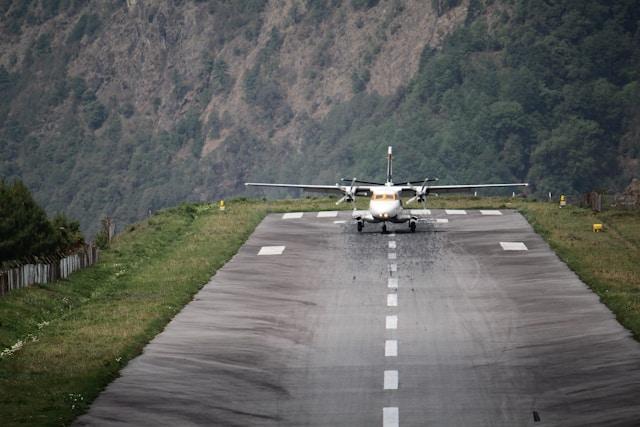
Your First Response When Flights Slow Down or Stop
When conditions affect operations, travelers often lose time by reacting emotionally instead of practically.
Stay calm first

A delay is stressful, but clear thinking helps more than speed.
Confirm what actually changed

Find out whether your flight is delayed, uncertain, shifted, or paused.
Review your flexibility

Your next step depends on whether you have buffer days, trek flexibility, or a fixed international connection.
Keep your essentials close

Documents, medicines, chargers, and warm layers should stay with you.

The best travelers do not try to predict everything. They prepare for the next one or two decisions.
Not Every Delay Means the Same Thing
A traveler delay scenario usually falls into one of these categories:

Conditions may improve, and operations could still move later.
Movement is possible, but timing remains unclear.
Some travelers may move, while others may need to wait longer or rebook.
Safe movement is not happening for now, and rebooking or adjustment becomes more likely.
The more accurately you understand your delay type, the better your next decision will be.
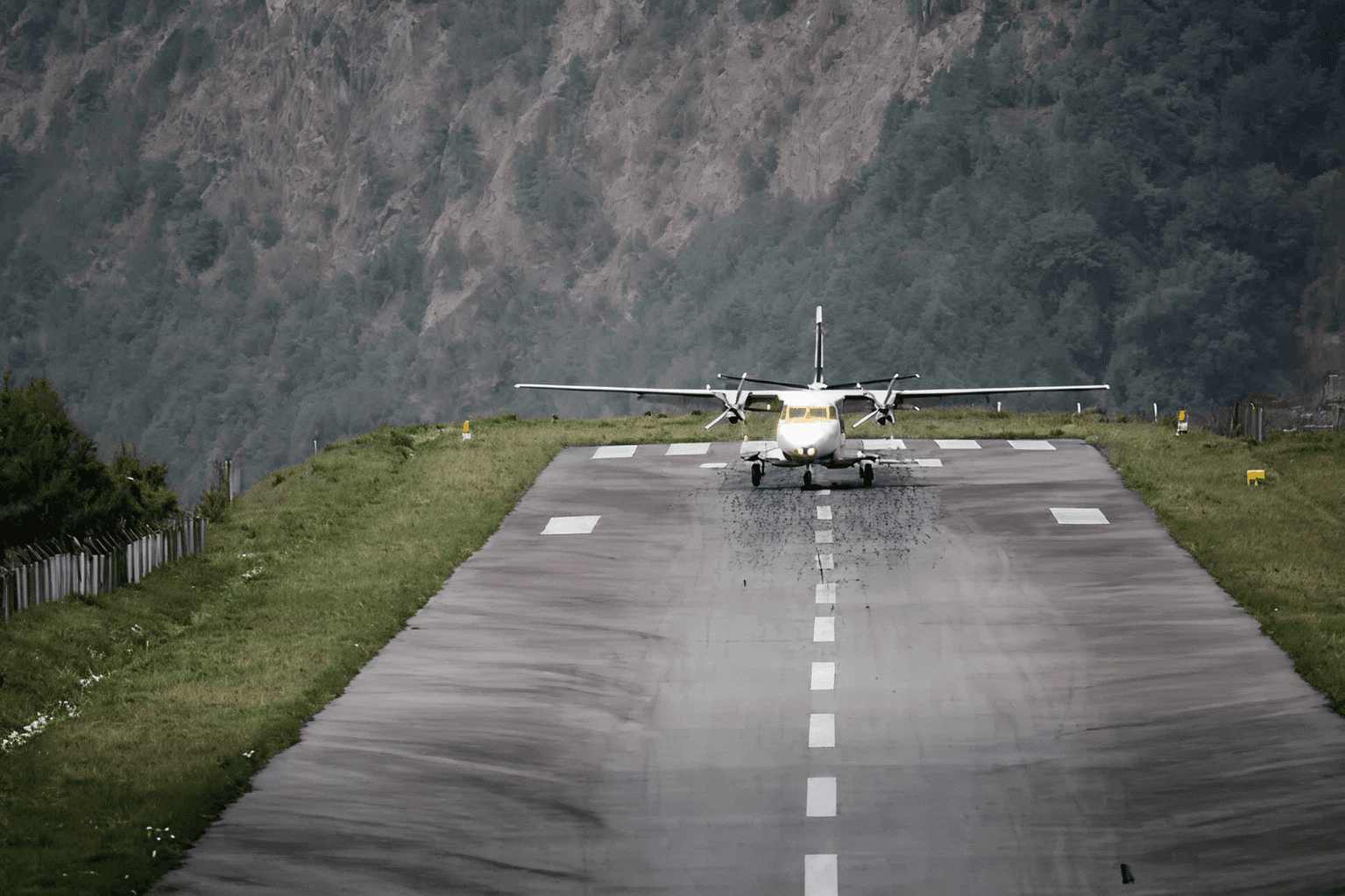
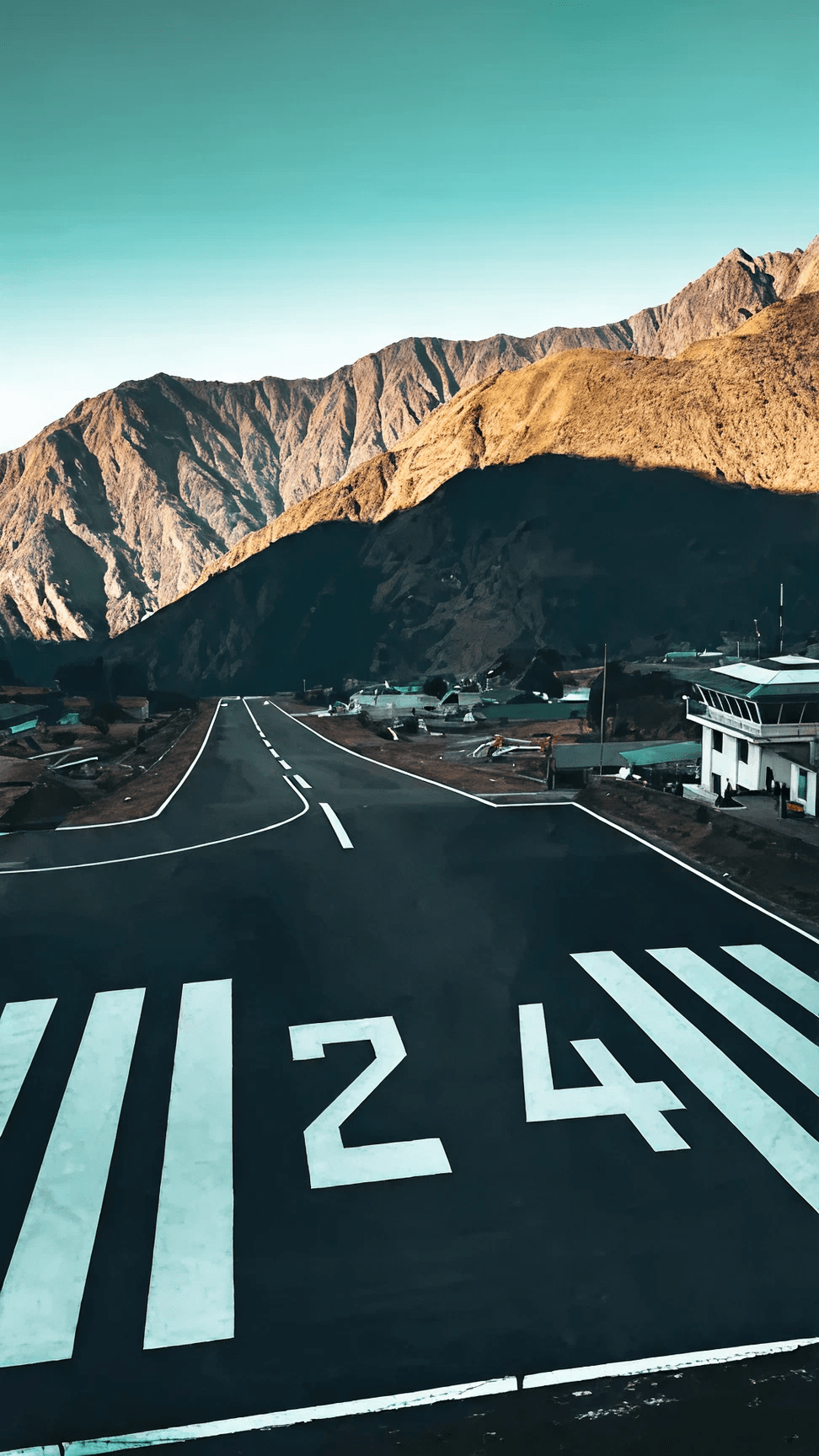
Should You Wait, Rebook, or Adjust the Plan?
This is the main question most travelers ask.
Wait
Best when:
- Conditions may improve
- Your schedule is flexible
- You are not risking an important onward connection

Rebook the Next Safe Window
Best when:
- today’s movement looks weak
- you still have trek or return flexibility
- a clean restart tomorrow is more practical than waiting in uncertainty
Adjust the Plan
Best when:
- you have a trek start or return schedule to protect
- you need to rework your next 1–2 days
- your delay affects hotels, transfers, or onward travel
The goal is not choosing the most dramatic option. The goal is choosing the most practical one.
Buffer Days Are the Best Delay Protection
A buffer day is often the simplest and smartest protection in Lukla travel planning.
they reduce pressure on trek starts
they protect international departures
they make weather uncertainty easier to manage
they give you room to wait or rebook without panic
Before the trek
A delayed outbound flight does not immediately damage your route plan.
Before an international flight
A delayed return feels less risky when you still have time.
For group travel
A little flexibility reduces stress across the whole group.
Lukla FAQs (Quick Answers)
Are Lukla flights guaranteed?
No. Weather and conditions can affect operations. Buffer days help a lot.
Kathmandu or Manthali—how do I know?
In peak weeks, routing may shift. Check your operator's confirmed departure plan.
What should I keep in my carry-on?
Essentials: meds, documents, warm layer, chargers, and one change of basics.



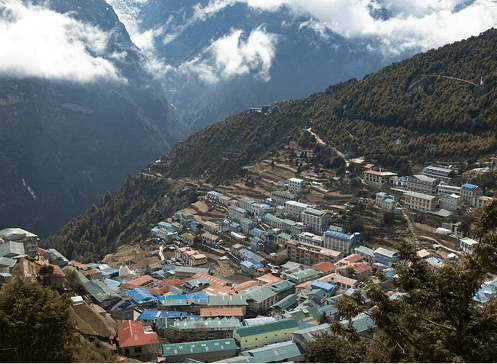
About This Guide
LuklaAirport.com is maintained by BidMyTrip.ai to help travelers plan Lukla flights and trek starts with less confusion. We aim to keep status notes practical and clearly time-stamped.