

Why Weather Matters So Much at Lukla
Lukla flight planning is different from standard city-to-city travel. Conditions in the mountains can change quickly, and visibility plays a much bigger role in whether flights move safely.
For travelers, this means one simple thing: weather is not just background information. It is one of the main parts of your travel plan.
That is why Lukla travel works best when you build your itinerary around flexibility, early updates, and realistic expectations.

The Main Weather Signals Travelers Should Understand
You do not need to study aviation weather to plan better. A few basic patterns explain most of what travelers need to know.

Low Cloud and Fog
Low cloud and fog can reduce visibility quickly. For travelers, this often means delays, uncertainty, or a slower start to the day.
What this means for you: Even if your schedule looks fine on paper, visibility can change the pace of operations.

Conditions Can Change Quickly
Mountain weather can shift within a short time. That is why an early status check is useful, but not always the final answer.
What this means for you: Be prepared for updates, short-notice changes, or a different travel outcome than you expected the night before.

Morning Windows Often Matter Most
On many days, early flight windows have the best chance because conditions may be more stable earlier.
What this means for you: Earlier timing usually gives you a planning advantage, but not a guarantee.

Conditions in Kathmandu May Not Match Lukla
One of the most common mistakes travelers make is assuming clear conditions in Kathmandu mean Lukla will also be clear.
What this means for you: Always check Lukla-specific updates instead of relying only on city weather.
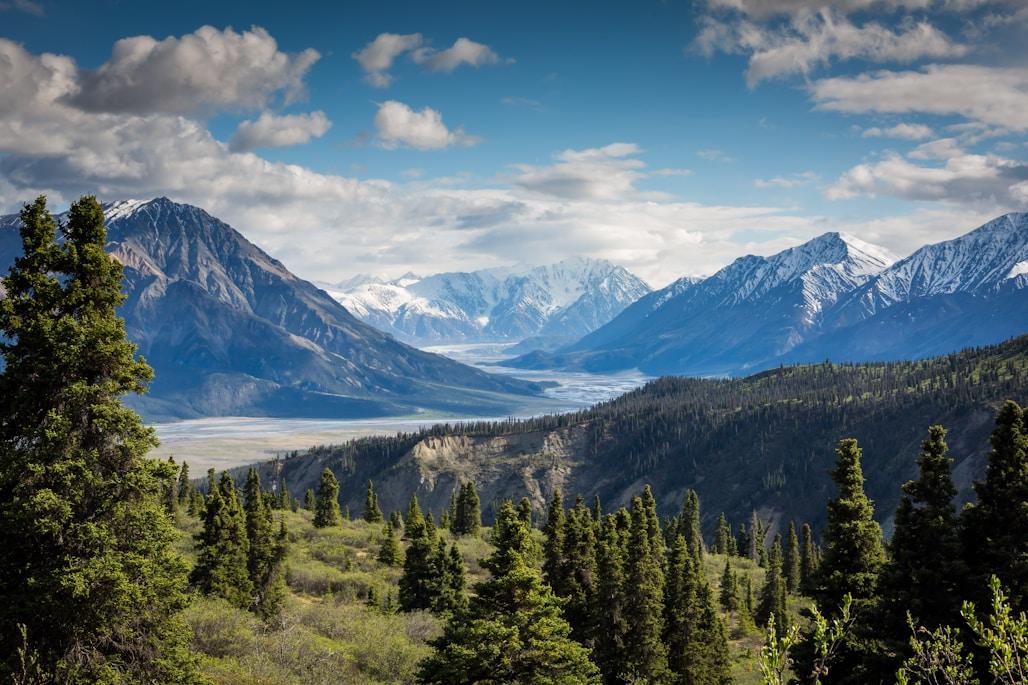
Poor visibility does not always mean the entire day is lost. It often means travelers need patience, flexibility, and a clear backup plan.
Visibility in Plain English
For travelers, "visibility" usually means how clear the conditions are for safe movement.
You do not need exact technical measurements to plan well. The practical takeaway is simple:
- if visibility is poor, flights may be delayed

- if visibility improves, movement may restart
- if conditions remain uncertain, plans can stay flexible for longer than expected
Why Early Morning Matters So Much
Many Lukla-bound travelers hear that "morning flights are better." The real reason is not magic or marketing — it is planning logic.

Earlier windows often move first
When conditions are safe enough, the earliest departures often have the strongest chance.
Later windows may become less reliable
This does not happen every day, but it is common enough that travelers should plan around it.
Your itinerary feels the difference
A traveler with no buffer day feels weather risk more heavily than someone with flexibility built in.
This is why many experienced Everest travelers focus less on "perfect weather" and more on timing, flexibility, and backup options.
How Weather Risk Feels Different for Different Travelers

Outbound trekker
If your trek starts tomorrow or the next day, weather changes may affect how quickly your route begins.

Flexible itinerary traveler
If your schedule has room to move, weather becomes easier to manage.

Short-trip traveler
If you only have a few days, even small changes can feel more disruptive.

Return traveler - Fixed flight
If you are returning to connect with an international departure, weather feels more stressful because your schedule is tighter.
What Weather Uncertainty Does Not Mean
Weather uncertainty does not always mean:
- your trek is ruined
- the whole day is lost
- rebooking is impossible
- helicopters will definitely solve everything
- you should panic
It usually means you need calm decision-making, clear updates, and enough flexibility to adjust your next step.
Buffer Days Are Your Best Weather Protection
Weather may be outside your control, but your schedule design is not.
A buffer day gives you room to absorb delays without creating stress across the rest of your trip.
Trek start buffer
Protect the beginning of your trek.
Return buffer
Protect your onward travel and international departure.
Common Weather Mistakes Travelers Make
Thinking clear weather somewhere else means Lukla is also clear
Assuming one good update means the whole day is safe
Expecting every problem to have a fast helicopter solution
Packing all important items in checked luggage
Leaving no room for delays
Confusing "possible" with "guaranteed"
Lukla FAQs (Quick Answers)
Are Lukla flights guaranteed?
No. Weather and conditions can affect operations. Buffer days help a lot.
Kathmandu or Manthali—how do I know?
In peak weeks, routing may shift. Check your operator's confirmed departure plan.
What should I keep in my carry-on?
Essentials: meds, documents, warm layer, chargers, and one change of basics.



About This Guide
LuklaAirport.com is maintained by BidMyTrip.ai to help travelers plan Lukla flights and trek starts with less confusion. We aim to keep status notes practical and clearly time-stamped.